The Mara & Serengeti: A Seasonal Guide
A Seasonal Guide to The Mara & The Serengeti
*
A Seasonal Guide to The Mara & The Serengeti *
The timings below are the best available guide, but nature remains beautifully unpredictable.
January • February • March
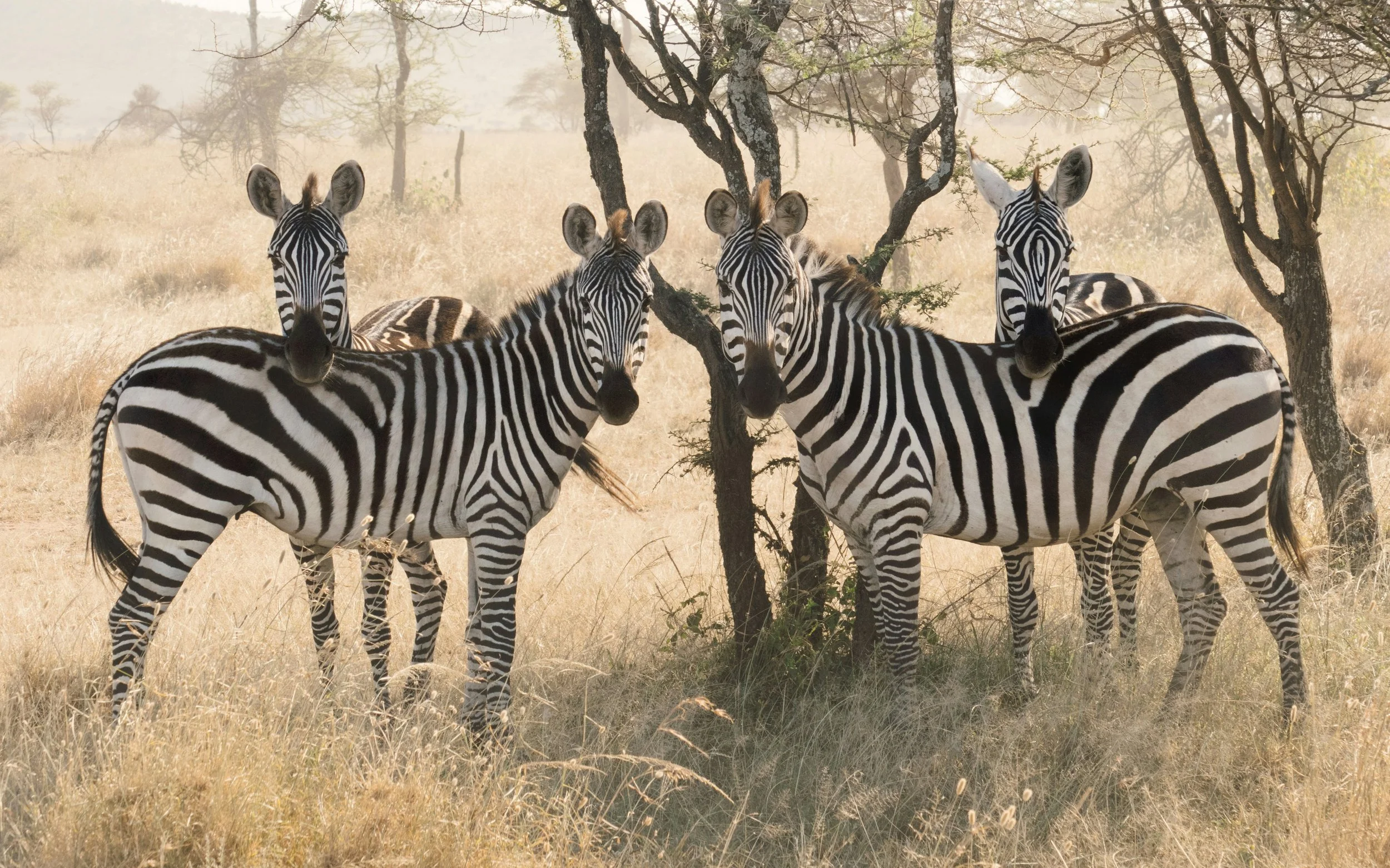
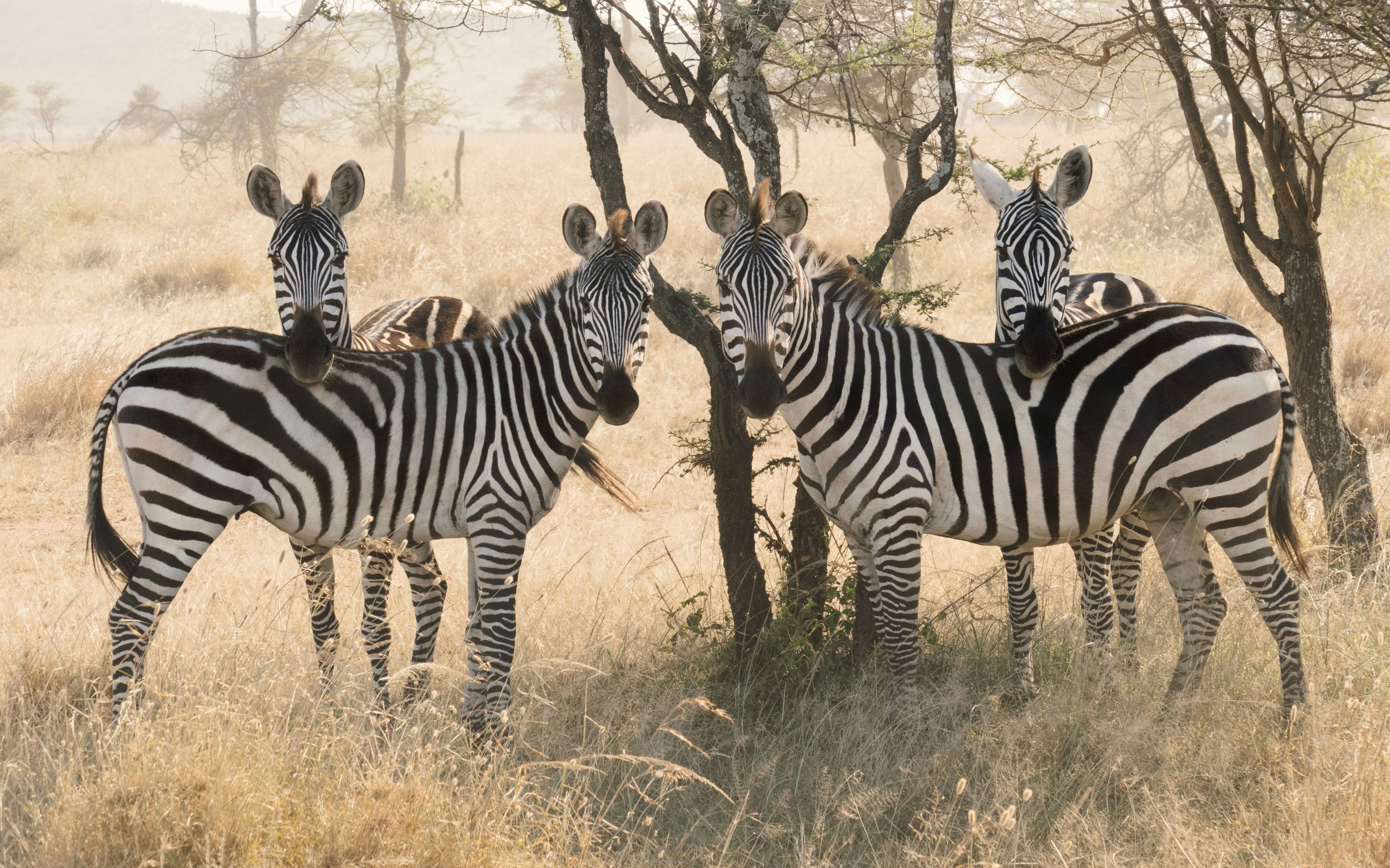
The new year is a season of beginnings. On the short-grass plains of the southern Serengeti, the wildebeest arrive heavily pregnant from their long journey north, drawn south by the mineral-rich volcanic soils around Ndutu, which produce the lush, nutritious grasses that nursing mothers and newborns need. What follows is one of the great spectacles in nature: over half a million wildebeest calves born within two to three weeks, with as many as 8,000 born in a single day. The strategy is deliberate and ancient. With such a glut of newborns, predators eat their fill, and thereafter the rest survive. The result is extraordinary predator action alongside scenes of tender new life, and February is the dramatic focal point, though mid-January and March offer the same spectacle with far fewer visitors. Large numbers of zebra foals and gazelle fawns join the scene, and the abundance of herbivores means Africa's large carnivores time their own birthing season to coincide with the migration's arrival.
In the Serengeti: This is the heart of calving country. The herds are spread across the short-grass plains south and east of Seronera, around Ndutu and into the northern Ngorongoro Conservation Area. The landscape is beautiful: open savannah studded with rocky kopjes, leopard country, alive with young animals stumbling to their feet.
In the Mara: The Loita wildebeest population stages its own smaller birthing season in the Mara North Conservancy, on a more intimate scale. Kenya in these months is warm and wildlife-rich, and the private conservancies offer night drives, balloon flights, and the freedom to explore on foot.
April • May • June
This is a season of transition and, for those who know it, a deeply rewarding one. April still carries the freshness of the long rains: the landscape is green and flowering, birds are breeding, and the air has a particular clarity. It is what many guides quietly call the best-kept season of the year.
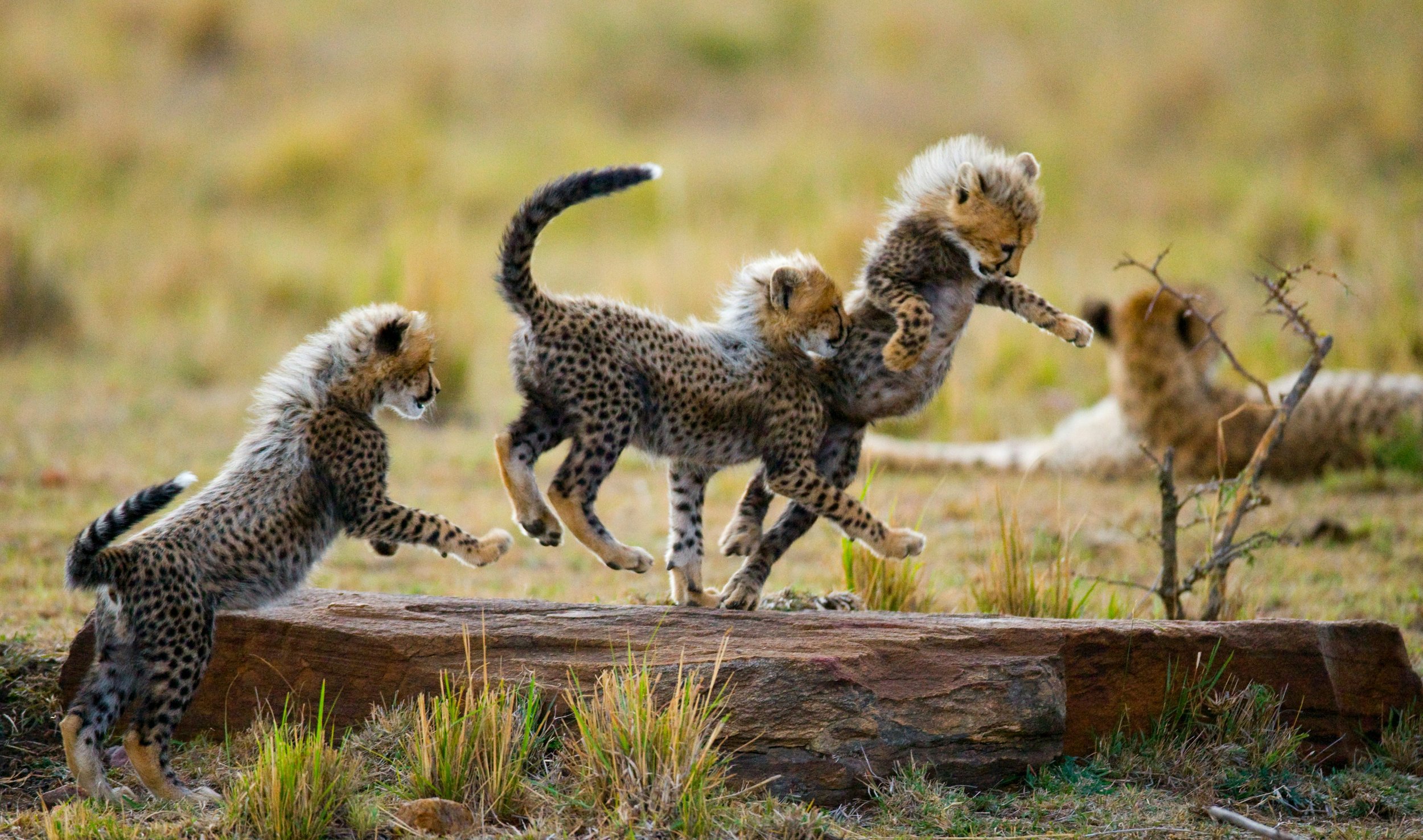
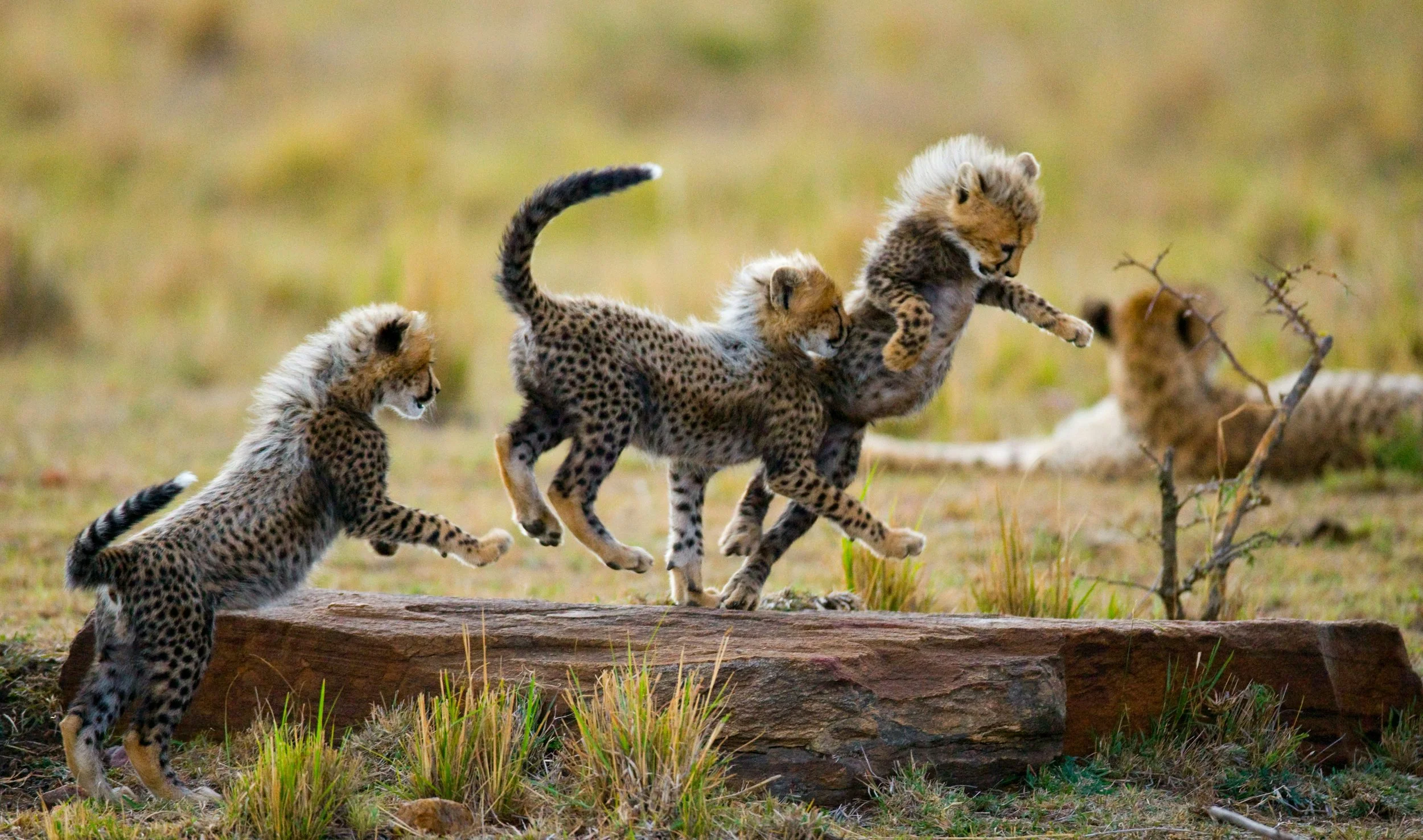
In April, the wildebeest begin moving northwest toward the Moru and Simba Kopjes, and the rutting season is in full swing, with testosterone-fuelled jousts between males competing for the right to mate. By May, massed herds are on the move in huge columns, sometimes up to 40 kilometres long, funnelling up into the central Serengeti. Cheetah and wild dog make the most of the last of the calving glut before the herds depart.
In the Serengeti: Around June, the wildebeest mass in the Western Corridor, building up in density before crossing the Grumeti River, its deep pools home to enormous crocodiles. The herds weave through woodlands and past the great stone kopjes at Moru before pushing northward. The last of the herds leave the southern Serengeti in May, while the forerunners enter the northern Serengeti in mid-June.
In the Mara: The rains draw the Loita wildebeest eastward onto the Loita Plains and into the northern Mara, where they graze the mineral-rich soils through May and early June. Zebra herds blaze against the green grass. Elephant move freely through the private conservancies, and the plains game are in rut. Lions take to the trees to survey the tall grass below. This is a wonderful time for families and for anyone who prefers space, intimacy, and the landscape to themselves.
October • November • December
As October settles in, the energy begins to shift. The last river crossings back into Tanzania typically occur in the final two weeks of October through early November. The short rains begin to pull the herds south, and as they go, the landscape opens up, quietens, and reveals itself again.
These three months are among the most underrated in the whole ecosystem. As the wildebeest empty out, so do the vehicles, and the Mara and Serengeti become places of extraordinary spaciousness. Resident wildlife comes to the fore. In the Serengeti, this is a season for long, unhurried safaris and walking with indigenous communities whose knowledge of this land runs incomparably deep.
In the Serengeti: The wildebeest cross the Mara River heading south as the short rains begin in late October, resulting in high-volume southbound crossings. By November they are drawn to central Serengeti, and by December they are heading all the way down to the southern plains, the females heavily pregnant.
In the Mara: The wildebeest return to the short-grass plains around Ndutu in late November, beginning the great cycle again. The Mara, now quieter, is particularly lovely in November: higher rainfall keeps certain areas greener than anywhere else in the ecosystem, holding resident game close. It is a gentle, generous time to be here, well-suited to long stays, walking, and the kind of deep immersion that the busier seasons make harder to find.
July • August • September
This is the season the Mara and northern Serengeti are famous for, and with good reason. Mid-July to late August represents the peak of the river crossings, when enormous herds mass on the banks of the Mara River before plunging in. The scenes are frantic and unforgettable: hundreds of thousands of animals churning through crocodile-filled water, the air thick with dust and noise. Watching the herds cross the Mara River can be very spectacular, with scenes of great panic and confusion that leave even seasoned safari-goers speechless.
But the crossings are not the whole story, and it would be a mistake to let them be. The Mara in this season also offers some of the finest big cat sightings anywhere on earth. The private conservancies that border the main reserve come into their own in the busier months of August, offering genuine exclusivity, off-road access, and activities unavailable in the national reserve.
In the Serengeti: In July and August, the herds move northward on a broad front, some through the Grumeti Reserve, others through the heart of the Serengeti. By September they are spread across the northern Serengeti. Grass fires in June and July prompt fresh shoots, and the herds follow these micro-movements across the plains. Roughly half the wildebeest population remains in Tanzania while the other half crosses into Kenya, moving back and forth across the Mara River following storms, predator pressure, and the search for new grass.
In the Mara: The plains fill with wildebeest from Tanzania, swelled by the local Loita population joining the migration through the conservancies and reserve. The cooler, drier weather makes this an ideal time to get out on foot and explore the landscape beyond the river, discovering what the Mara holds when you slow down and look closely.
FAQ
Your Questions Answered
What is the single best month to visit the Masai Mara?
1
There is no single best month — it depends entirely on what you want to see. July and August offer the highest probability of witnessing a Mara River crossing, with enormous herds present and predator activity at its peak. February is the best month for the Serengeti calving season in the south. April and May are the most underrated months for pure wildlife quality and exclusivity, with far fewer visitors and the landscape at its most beautiful. The right month is the one that matches what matters most to you.
Is the Serengeti good to visit outside of migration season?
2
Yes, genuinely. The Serengeti holds some of Africa's highest concentrations of resident wildlife year-round — lions, leopard, cheetah, elephant, giraffe and buffalo are all present regardless of where the migration herds are. The central Serengeti around Seronera is particularly reliable for big cat sightings throughout the year. Outside peak migration season, the camps are quieter, the rates are lower, and the experience has a spaciousness that busy August simply cannot offer.
What is the green season in the Masai Mara and is it worth visiting?
3
The green season runs broadly from April through June, when the long rains bring the ecosystem to vivid life. Wildlife does not disappear during the green season — if anything, predator sightings are exceptional because the animals are well-fed and active. The trade-off is afternoon rain showers, which are typically short but can affect game drive timing. Visitor numbers drop significantly and camps offer their best rates. For travellers who value intimacy, atmosphere and landscape over the crowds of peak season, it is one of the most rewarding times to visit.
When do the Mara River crossings happen?
4
The crossings occur broadly between July and October, with mid-July through late August representing the highest probability of witnessing a large crossing. The herds begin returning south in October, and the last southbound crossings typically occur in late October through early November. No one can predict a crossing on a specific day — they follow rain, predator pressure and the instincts of the herd. Giving yourself at least four nights during the peak window is the most reliable way to see one.
What is the weather like in the Masai Mara in July and August?
5
July and August are dry, clear and cool — the most reliably good weather of the year. Mornings and evenings on game drives can be genuinely cold, requiring warm layers, while afternoons are warm and sunny. Rain is rare during these months. It is the most comfortable season for long days in the vehicle, and the dry conditions mean vegetation is lower and wildlife easier to spot.
Can I visit the Masai Mara and Serengeti on the same trip?
6
Yes, and it is one of the most rewarding ways to experience the ecosystem. A combined itinerary typically involves a short charter flight between Tanzania and Kenya. The logistics are straightforward when planned well, and the contrast between the vast open Serengeti and the more concentrated Mara plains adds real depth to the trip. Many travellers find that visiting both raises more questions than it answers — in the best possible way.
How far in advance should I book a safari for migration season?
7
For July and August in the Masai Mara, twelve to eighteen months ahead is the realistic minimum for first-choice camps. The best-positioned camps in active crossing areas have very limited beds and fill early. Calving season in the Serengeti is less competitive but still benefits from six to twelve months of lead time. For the green season or October to November, six months is generally sufficient.
That being said, we have excellent relationships with our partners and sometimes we can really luck out on a last minute booking if your party is small and the dates are somewhat flexible.
Is February a good time to visit the Masai Mara?
8
February is relatively quiet in the Masai Mara itself, with the main wildebeest herds in the southern Serengeti for calving season. That said, the Mara's resident wildlife is excellent year-round — the big cats are highly active, elephant are abundant in the conservancies, and the absence of large migration crowds means a more intimate experience. If seeing the calving season is a priority, the southern Serengeti around Ndutu is where to be in February.