
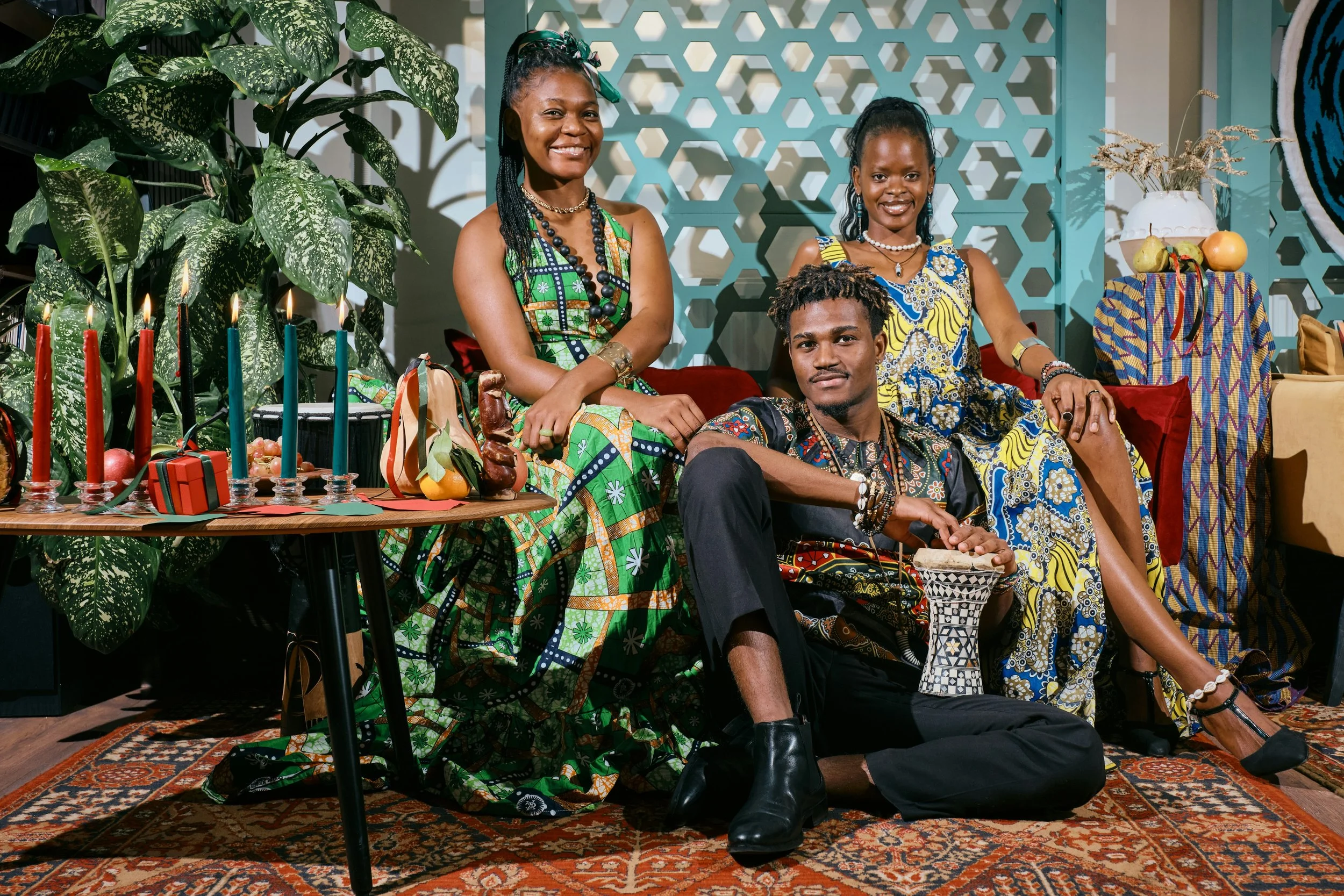
BIPOC-Owned South Africa
Published April 27th 2026
Last Edited April 30th 2026
Thirty years after the end of apartheid, South Africa's economy remains shaped by its history in ways that are visible everywhere, and most obviously in who owns what. White South Africans make up roughly 7-8% of the population yet hold an estimated 72-79% of privately held farmland, according to various government audits and academic analyses. The figures are contested politically and the full picture of land reform is genuinely complicated, but the direction they point is not. In the wine industry specifically, the numbers are starker: according to the industry body Vinpro, fewer than 3% of vineyard acreage is under Black ownership, and of approximately 2,800 wine farmers in the country, around 60 are Black. Black-owned wine brands accounted for less than 1% of litres sold domestically in 2020.
This matters as context because South Africa also has a piece of legislation called Black Economic Empowerment, known as BEE, which requires that many businesses hold a minimum of 51% BIPOC ownership on paper. In practice, BEE compliance and genuine BIPOC ownership are not the same thing. It has produced a category of businesses that qualify on paper while remaining managed, directed and culturally shaped by white South Africans.
The businesses on this page are ones where the ownership and the management sit with the same people. We have done our best to verify this, though we are not claiming to have found everyone worth knowing. These are introductions to people doing work we respect, in a context where that work carries real weight.
Johannesburg
Sanctuary Mandela | Boutique Hotel, Houghton Nelson Mandela's primary Johannesburg residence from 1992 to 1998, the house where he negotiated the talks that led to South Africa's democratic rebirth and where he received world leaders, has been reimagined as a nine-room heritage boutique hotel. It is managed by Motsamayi Tourism Group (see lodges section), South Africa's oldest Black-empowered tourism entity, on behalf of the Nelson Mandela Foundation, which owns the property. The fine dining restaurant, Insights, serves dishes prepared by Xoliswa Ndoyiya, Mandela's personal chef of over twenty years. Each room is named after a chapter of his life. The Sunday jazz lunches have become an institution.
Magugu House | Fashion & Design, Dunkeld Thebe Magugu won the LVMH Prize for Young Fashion Designers in 2019, and his Dunkeld flagship is reason enough to visit Johannesburg. Set in a 1931 double-storey house on Bompas Road, it operates simultaneously as showroom, atelier, gallery and event space. Collections are named after university subjects and read as investigations into South African history. It is one of the most considered retail environments in the country.
Rich Mnisi | Fashion & Design, Johannesburg Rich Mnisi's eponymous brand has grown from its Africa Fashion International Young Designer of the Year debut into a genuinely multidisciplinary creative practice spanning fashion, furniture and fine art, with collaborations including H&M and Adidas. His work is rooted in a distinctly Southern African visual language and the brand's Johannesburg presence is worth seeking out.
L'Atelier Yswara | Retail & Wellness, Maboneng Swaady Martin left a corporate career to build Yswara around the ritual of African tea drinking, sourcing every ingredient from African soil. The pastel pink salon in the Maboneng Precinct is both a retail space and a place to slow down. She describes the process of creating a new tea blend as making a garden in a cup. The teas are extraordinary and the space reflects a genuine philosophy rather than an aesthetic.
Gemelli Cucina Bar | Restaurant, Bryanston Alessandro Mosupi Khojane grew up in Rome in a large family and brought that sensibility back to Johannesburg. Gemelli is hearty, warm and quietly excellent, with fresh pasta, cicchetti and desserts that take their cues from his Italian upbringing. It won the 2022 Luxe Global Award and has earned a loyal following.
Vuyos | Restaurant, Soweto On Vilakazi Street, the only street in the world to have been home to two Nobel Peace Prize winners, Miles Kubheka opened Vuyos with the stated aim of empowering young entrepreneurs alongside serving modern African cuisine. A Soweto visit that earns its place on its own terms rather than as a township tour.
Artivist | Restaurant & Cultural Space, Braamfontein Co-founded by Bradley Williams and Kenny Nzama as a pan-African creative gathering space where food, art and music coexist. The menu draws on African and Mediterranean influences with consciously sourced ingredients. It has consistently drawn Johannesburg's Black creative community. [Verify current operational status before recommending.]
Daze House | Boutique Hotel, Observatory An art-forward boutique hotel where each room is painted in vivid colour and draws its character from a different African country. Founder Gabe Leavall was deliberate about the design and the energy, and online reviews consistently praise both the atmosphere and the warmth of the staff.
The Soweto Hotel | Hotel, Soweto A four-star, woman-owned hotel that wears its history openly. Rooms tell the story of the anti-apartheid struggle and the staff are genuine guides to the neighbourhood. It manages to be both memorial and a comfortable place to stay, which is a harder balance to strike than it sounds.
The Cape Winelands
Accommodation & Lodges
Motsamayi Tourism Group properties Motsamayi is the oldest Black-empowered tourism entity in South Africa, established in 2001. It holds 51% Black ownership and is managed by a predominantly Black leadership team under CEO Jerry Mabena. It does not fit the same category as individually Black-owned businesses, but it is a different proposition from a BEE-compliant shell. Their properties:
Kruger Shalati: The Train on the Bridge | Kruger National Park, Limpopo A permanently stationed luxury train on the historic Selati Bridge above the Sabie River, where guests once disembarked for the park in the 1920s. Twenty-four carriage rooms and seven Bridge House rooms, all with floor-to-ceiling glass walls overlooking the river. Wildlife including elephants and hippos pass below. It is genuinely one of the most original hospitality concepts in Africa, and the non-colonial design brief was stated explicitly from the start.
Sanctuary Mandela | Houghton, Johannesburg (see full entry above)
Kruger Untamed & Kruger Station | Kruger National Park, Limpopo Kruger Untamed is a seasonal tented safari camp in a dry riverbed near Satara. Kruger Station is the lifestyle and day visitor centre adjacent to Kruger Shalati, built around the magic of the original station history.
AM Lodge | Hoedspruit, Limpopo Built by Auswell Mashaba and now directed by his children Nsovo and Njombo, AM Lodge is a five-star, maximum 22-guest property on a conservancy flanked by Big Five private game reserves in the Greater Kruger area. Six suites with complete seclusion, two with private plunge pools. [Verify current operational status.]
Daze House | Observatory, Johannesburg (see full entry above)
The Soweto Hotel | Soweto, Johannesburg (see full entry above)
Recommended for inclusive hospitality (not BIPOC-owned but excellent fits for BIPOC travellers)
Dorp Hotel | Signal Hill, Cape Town Conceived and designed by the late Gail Behr, Dorp sits perched on Signal Hill directly above Bo-Kaap and is one of the most genuinely welcoming and character-rich boutique hotels in Cape Town. It holds no liquor licence out of respect for the Muslim community below. The staff are universally cited in reviews for warmth that feels real. Each of the 42 rooms is individually designed. The views over the city are incomparable.
Cape Town
4 Roomed eKasi Culture | Restaurant & Experience, Khayelitsha Abigail Mbalo founded this on the concept of the four-roomed house of the South African township as a framework for living and eating together. The Khayelitsha restaurant was named among Travel & Leisure's top 30 restaurants in the world, and the bespoke dining experiences she offers go well beyond a meal. Cultural immersion done with complete authenticity.
Seven Colours Eatery | Restaurant, V&A Waterfront Founded by Nolukhanyo Dube-Cele and built around the Sunday plate, that South African tradition of pap, chakalaka, roasted meats and a rainbow of vegetables found on any township table at the weekend. The V&A location makes it accessible; the food makes it worth going.
Meeting Point | Restaurant, City Centre A Tanzanian-owned restaurant co-founded by Rita Foy and George Owira, with a menu running to nyama choma and fresh seafood with East African spicing. It has become a gathering place for both locals and visitors who want to experience Cape Town's connections to the rest of the continent.
Nkula Cocktail and Wine Bar | Bar & Wine, City Centre Founded by Simbi Nkula as a deliberate platform for South African wine labels, with a particular focus on Black-owned producers. A stylish, unpretentious space that draws an after-work crowd and tends to stretch into long evenings.
Ogun Clothing | Menswear, City Centre & Woodstock Menswear using South African cotton, denim, woolens and linen where possible, with a clean functional aesthetic that earns its locally-made credentials rather than simply claiming them.
Ukhamba Beerworx | Craft Beer, Cape Town Cape Town's first Black-owned brewery. Worth tracking down on tap around the city.
Camissa Travel & Marketing | Tours & Experiences, Cape Town Founded in 2006 by Khonaye and Samantha Tuswa, Camissa is 100% Black-owned and managed, and it shows in how the tours feel. They specialise in township tours centred on the people, culture and daily life of Langa and surrounding areas, and are emphatic that these are not poverty tours. Khonaye guides personally. The reviews from BIPOC travellers in particular are consistently exceptional.
African Xplora | Tours & Experiences, Cape Town Founded and managed by Tawanda Quinton Chikowore, African Xplora is a full-service premium tour operator covering activities, transfers and bespoke itineraries across Cape Town and beyond. Quinton built the business from direct experience rather than inherited infrastructure, and the approach reflects that.
Explore Sideways | Tours & Winelands Experiences, Cape Town A BIPOC-owned tour operator specialising in curated, private Cape Town and Winelands experiences. Known for thoughtful wine-focused itineraries, strong relationships with individual winemakers and an approach that is anything but generic. Consistently excellent reviews.
Coffee Beans Routes | Tours & Winelands Experiences, Cape Town One of the most respected operators for culturally grounded Winelands experiences. Their Colour of Wine Safari specifically visits Black-owned wine producers and tells the full, complicated story of South African wine. [Verify current BIPOC management structure before including.]
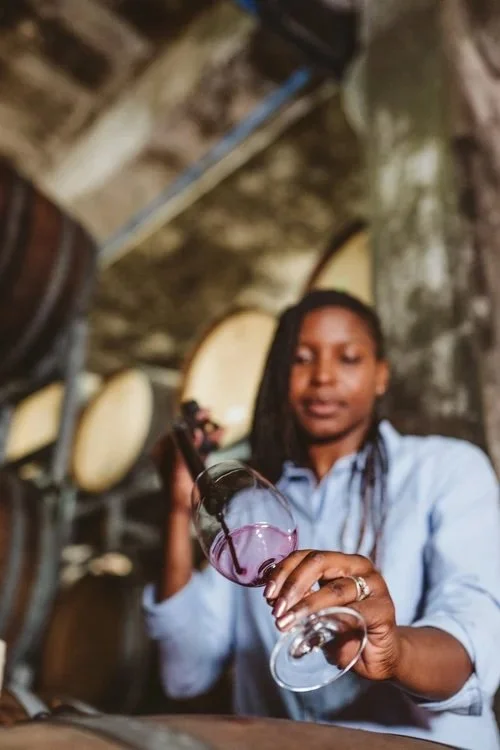
South Africa's wine industry has a specific history that sits just beneath the surface of every tasting room visit. The dop system, under which farm workers were partly paid in wine, persisted informally well into the 1990s even after it was officially abolished. Against this backdrop, the following producers represent something more than good bottles.
Klein Goederust Boutique Winery | Winery & Restaurant, Franschhoek Paul Siguqa is the first Black winery owner in Franschhoek, having purchased the dilapidated Klein Goederust estate in 2019. He grew up in the valley, the son of a farm labourer on the kind of estate he now owns. His head winemaker, Rodney Zimba, shares almost the same story: their parents worked alongside each other on the same wine farm. The flagship Cap Classique is named Nomaroma, after Paul's mother. The restaurant serves African food. When asked why not French, Siguqa's answer was simple: Franschhoek is in Africa. Klein Goederust is, according to Wine Enthusiast, the first and only 100% Black-owned and operated vineyard and winery in South Africa.
Aslina Wines | Winery, Stellenbosch Ntsiki Biyela was South Africa's first Black female winemaker, a distinction she earned after being awarded a scholarship to study at Stellenbosch University and going on to win gold at the Michelangelo International Wine and Spirits Awards on her first release. She launched Aslina in 2017, naming it after her grandmother. The Umsasane Bordeaux-style blend is the flagship; the name means "acacia tree" in Zulu, which was also her grandmother's nickname. She sits on the board of the Pinotage Youth Development Academy and has been listed among the world's top ten most innovative women in food and drink.
Seven Sisters Vineyards | Winery, Stellenbosch Run by Vivian Kleynhans and her six sisters, with each wine named for one of them. A family story in the most literal sense, and one that predates much of the current conversation about BIPOC ownership in the Winelands.
Tesselaarsdal | Wine Label, Hemel-en-Aarde Berene Sauls named her label after Johannes Tesselaars, a man who left his land to servants and freed slaves in 1810. Sauls started as an au pair at Hamilton Russell Vineyards at 19, worked her way through administration and exports, became curious about winemaking and ultimately built a wholly owned label producing elegant Pinot Noir that is distributed in the US, UK and Norway. She acquired 16 hectares of her own land in 2019. Her wines command serious critical attention.
Black Elephant Vintners | Winery, Franschhoek Co-founded by Raymond Ndlovu alongside Kevin Swart and Jacques Wentzel, who relocated their families from Johannesburg to the Franschhoek Valley to build this. Consistent critical attention and a genuine commitment of life choices behind the project.
Ses'fikile Wines | Wine Label, Stellenbosch Founded by Nondumiso Pikashe, who grew up in Gugulethu township and set out to dismantle the cultural distance between Black South Africans and wine. After eleven years of teaching, she built Ses'fikile as both a brand and a community education project. The wines feature regularly on Coffee Beans Routes' Colour of Wine Safari.
Further labels worth knowing: Mhudi (Malmsey Rangaka), Bridge of Hope (Rosemary Mosia), Son of the Soil (Denzel Swarts), Carmen Stevens Wines (Carmen Stevens, the first Black woman to open a winery in Stellenbosch), Sugarbird Gin (co-founded by Nzeka Biyela, a Cape fynbos spirit that has expanded into brandy and rum, contributing to women and BIPOC entrepreneur programmes with each bottle sold).
A note on our own trips: Mpinji runs dedicated group trips to the Cape Winelands specifically focused on meeting Black winemakers, understanding the land ownership context and tasting with the people who made the wine. If you would like to join one of these itineraries, or have us design a private version SPEAK TO US.
A note on this section: some of the properties below are BIPOC-owned outright, some are owned and managed through Black-empowered group structures (which, as noted above, is a different thing), and some are included because they are meaningfully committed to inclusive hospitality and make an excellent fit for BIPOC travellers even where ownership is more complicated. We have tried to be clear about which is which.